- December 2, 2024
Exploring Popular Art Techniques
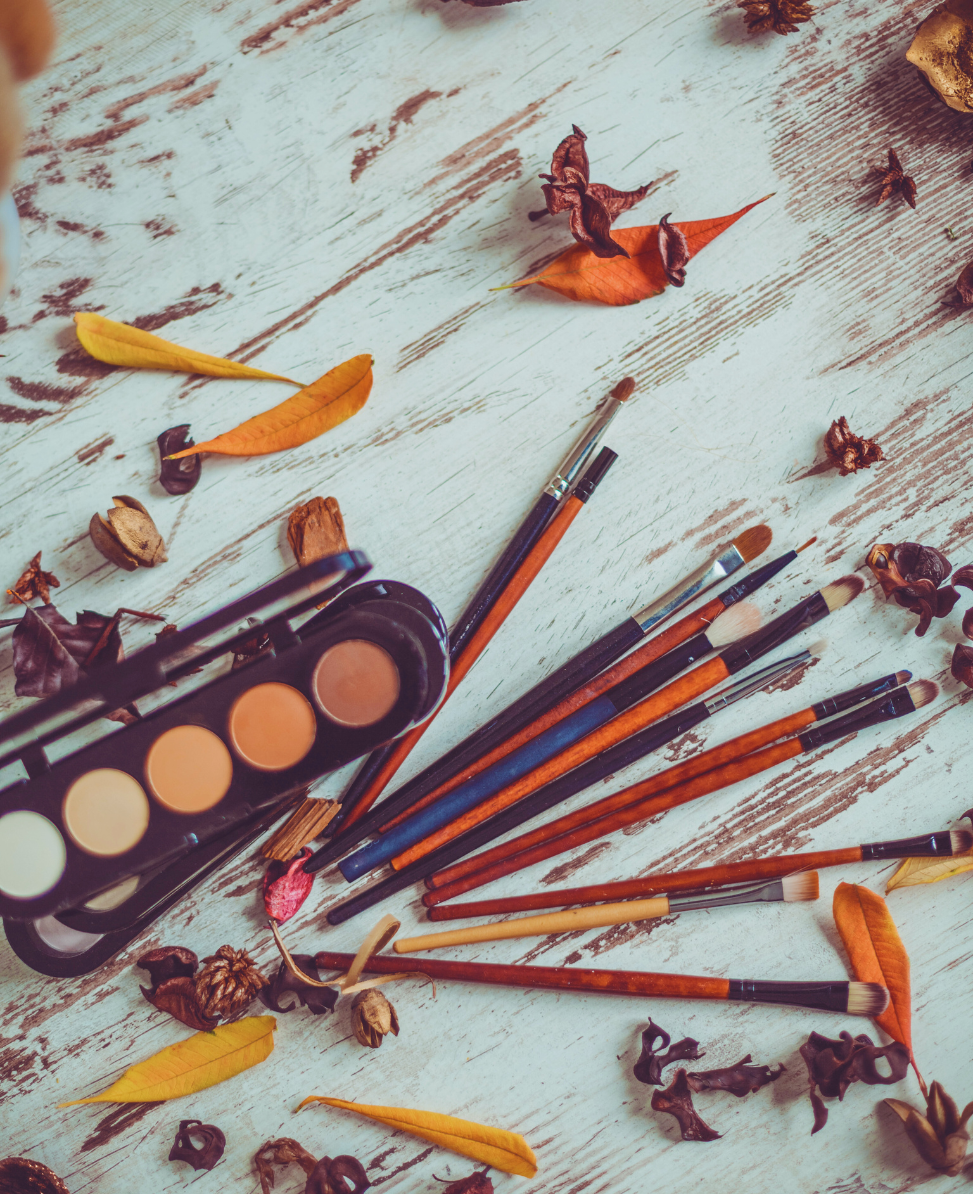
Art has always been a powerful medium for self-expression, communication, and cultural representation. Whether you’re an aspiring artist or simply an art enthusiast, understanding different art techniques can deepen your appreciation for this timeless craft. In this blog post, we’ll explore some of the most popular art techniques, their history, and how you can try them yourself.
1. Acrylic Painting
Overview
Acrylic painting has gained immense popularity among artists for its versatility and quick-drying properties. This medium allows for a range of effects, from transparent washes to thick, textured applications.
History
Developed in the mid-20th century, acrylic paints were initially used by commercial artists. They quickly became favored by fine artists for their vibrant colors and ease of use.
How to Try It
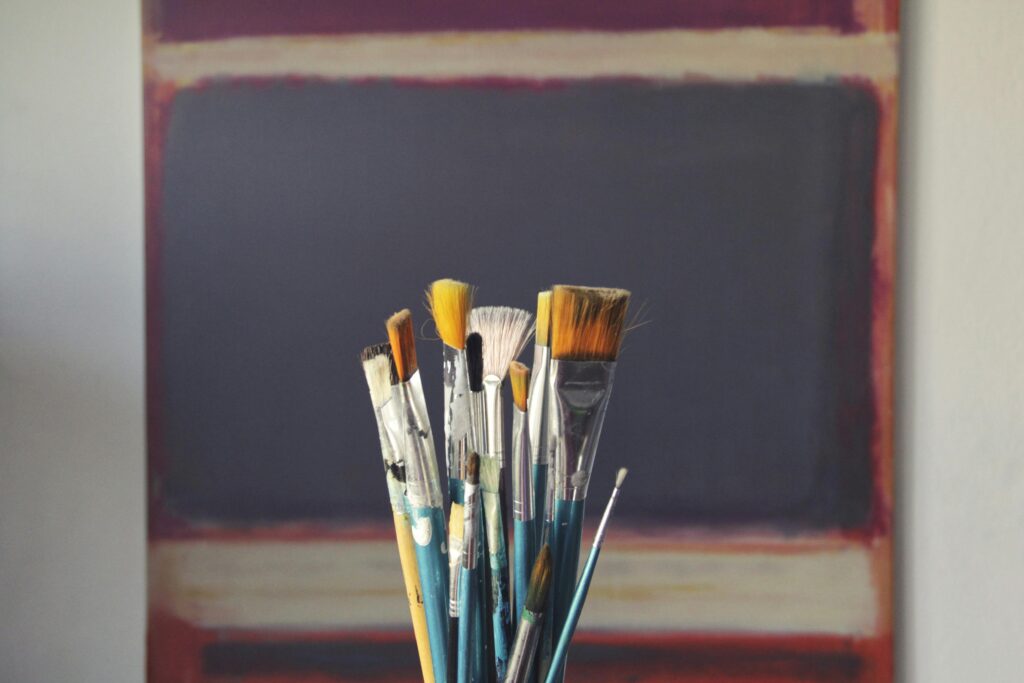
Start with a basic set of acrylic paints, a few brushes, and canvas or paper. Experiment with techniques like layering, glazing, and dry brushing. Don’t be afraid to mix colors and create unique shades!
2. Watercolor Painting
Overview
Watercolor painting is renowned for its delicate and translucent quality. This technique utilizes water-soluble pigments that produce stunning, flowing effects.
History
Watercolors date back to ancient times, but they became a popular medium in the 18th century, especially in Europe. Artists like J.M.W. Turner and John Constable helped elevate its status in fine art.
How to Try It
Begin with watercolor paints, brushes, and watercolor paper. Practice wet-on-wet and wet-on-dry techniques to create different textures. Layering colors can yield beautiful results, so experiment with glazing to build depth.
3. Oil Painting
Overview
Oil painting is one of the oldest and most traditional techniques. It offers rich colors and a slow drying time, allowing for detailed blending and layering.
History
The use of oil paints became prominent during the Renaissance, with masters like Leonardo da Vinci and Rembrandt showcasing its potential. The medium’s longevity and depth of color have made it a favorite for centuries.
How to Try It
Invest in a basic set of oil paints, brushes, and a canvas. Use a medium like linseed oil to extend drying time. Explore techniques such as glazing and impasto to create texture and depth in your work.
4. Charcoal Drawing
Overview
Charcoal drawing is a popular technique known for its bold, expressive lines and rich contrasts. It’s often used for both sketching and finished artworks.
History
Charcoal has been used since prehistoric times for drawing. Its simplicity and immediacy have made it a favored tool for many artists, from the Old Masters to contemporary creators.
How to Try It
Pick up some vine or compressed charcoal and a sketchpad. Experiment with different pressures to create varying line widths. Smudging with your fingers or a blending stump can add depth and softness to your drawings.
5. Digital Art
Overview
Digital art is an innovative technique that has transformed the art world. It utilizes digital technology to create artworks, ranging from illustrations to complex designs.
History
With the advent of computers and graphic design software in the late 20th century, digital art began to flourish. Artists like David Hockney have embraced this medium, showcasing its potential alongside traditional methods.
How to Try It
Start with a digital drawing tablet and software like Adobe Photoshop or Procreate. Explore different brushes and layers to create unique effects. Tutorials online can help you learn techniques like digital painting and photo manipulation.
6. Printmaking
Overview
Printmaking encompasses various techniques used to create artworks by transferring ink from a matrix to a surface. Techniques include linocut, etching, and screen printing.
History
Printmaking has roots in ancient China but became prominent in Europe during the Renaissance. It revolutionized the way art was reproduced and distributed.
How to Try It
Choose a printmaking technique that interests you. For linocut, carve your design into a linoleum block, apply ink, and press onto paper. Each method has its unique charm, so experiment with different styles.
7. Mixed Media
Overview
Mixed media combines different artistic techniques and materials in a single piece. This approach encourages creativity and experimentation.
History
Emerging in the 20th century, mixed media challenged traditional notions of art by integrating various materials, including photography, fabric, and found objects.
How to Try It
Gather various materials like paint, paper, fabric, and even recycled items. Create a base layer on canvas or paper and build up textures and colors with your chosen media. The possibilities are endless!
Conclusion
Exploring popular art techniques opens a world of creativity and self-expression. Whether you prefer the fluidity of watercolor or the boldness of charcoal, each technique offers a unique avenue for artistic exploration. Don’t hesitate to experiment and combine different styles to discover what resonates with you.
Remember, art is not just about the final product but also about the journey of creation. So grab your materials and let your imagination flow!

hello world
hello world
cenforce 100mg tablet price
cenforce 100mg tablet price
sémaglutide comprimés de rybelsus
sémaglutide comprimés de rybelsus
semaglutide injectie pen
semaglutide injectie pen
semaglutid i tabletform
semaglutid i tabletform
orlistat cause constipation
orlistat cause constipation
Comments are closed.