- December 1, 2024
Finding Your Creative Flow in Painting
As an artist, inspiration can often feel like a fleeting visitor—sometimes it’s there, other times it feels like it’s hiding just out of reach. If you’re like me, you’ve probably had those moments where the blank canvas stares back at you, and your mind feels completely empty. But don’t worry, getting inspired as an artist is a journey, and I’m here to share some tips that have helped me rediscover my creative spark over and over again.
Whether you’re a seasoned painter or just starting out, the struggle to find inspiration is something we all face. In this post, I’ll walk you through some of the ways I’ve learned to stay connected to my art, stay motivated, and keep the inspiration flowing for painting. From exploring nature to pushing my boundaries with new techniques, I’ll give you the tools to reignite your passion for painting.
1. Embrace the Process, Not Just the Outcome
One of the first things I remind myself when I’m stuck is that painting isn’t always about creating a perfect masterpiece. The pressure of needing a “finished” piece can be overwhelming. Instead, focus on the process. Try to let go of expectations and allow yourself to enjoy the journey of creating. Some of my best work has come from just playing with colors and brushstrokes without any specific outcome in mind.
When you let go of the need to “get it right,” your creativity can flow more freely. You might find yourself experimenting with new techniques, textures, or even mediums. If you’re a painter, try splattering paint or using a palette knife for some abstract marks. These moments of playful experimentation often open doors to new ideas and artistic directions that you wouldn’t have explored otherwise.
2. Seek Inspiration from Nature
Nature has always been one of my most reliable sources of inspiration. There’s something about the way light dances on leaves or the soft gradients of a sunset that sparks creativity. Whenever I’m in a rut, I head outside—whether it’s to the beach, a forest, or just a walk in my neighborhood.
Take the time to study the colors and patterns around you. The way a flower’s petals transition from one hue to another can teach you more about color blending than any art class. Observing how the sky changes throughout the day can help you understand light and shadow in your work. For me, painting landscapes or abstract pieces inspired by nature has often been the antidote to a creative block.
If you don’t have easy access to nature, consider browsing through nature documentaries or stunning photography. Nature can offer endless inspiration for your painting, whether you’re capturing its essence realistically or translating it into abstract forms.
3. Experiment with New Mediums and Techniques
If you’ve been painting in the same style for a while, it might be time to shake things up. One way to break free from an artistic block is by experimenting with new painting techniques or even new mediums.
Try watercolors if you typically use oils or explore digital painting if you’re used to traditional methods. Switching things up can open up new ways of thinking about your art. For example, I recently tried acrylic pouring for the first time, and it was a game-changer. The unpredictability of the medium opened my mind to new ways of creating, and it sparked a fresh sense of excitement in my painting process.
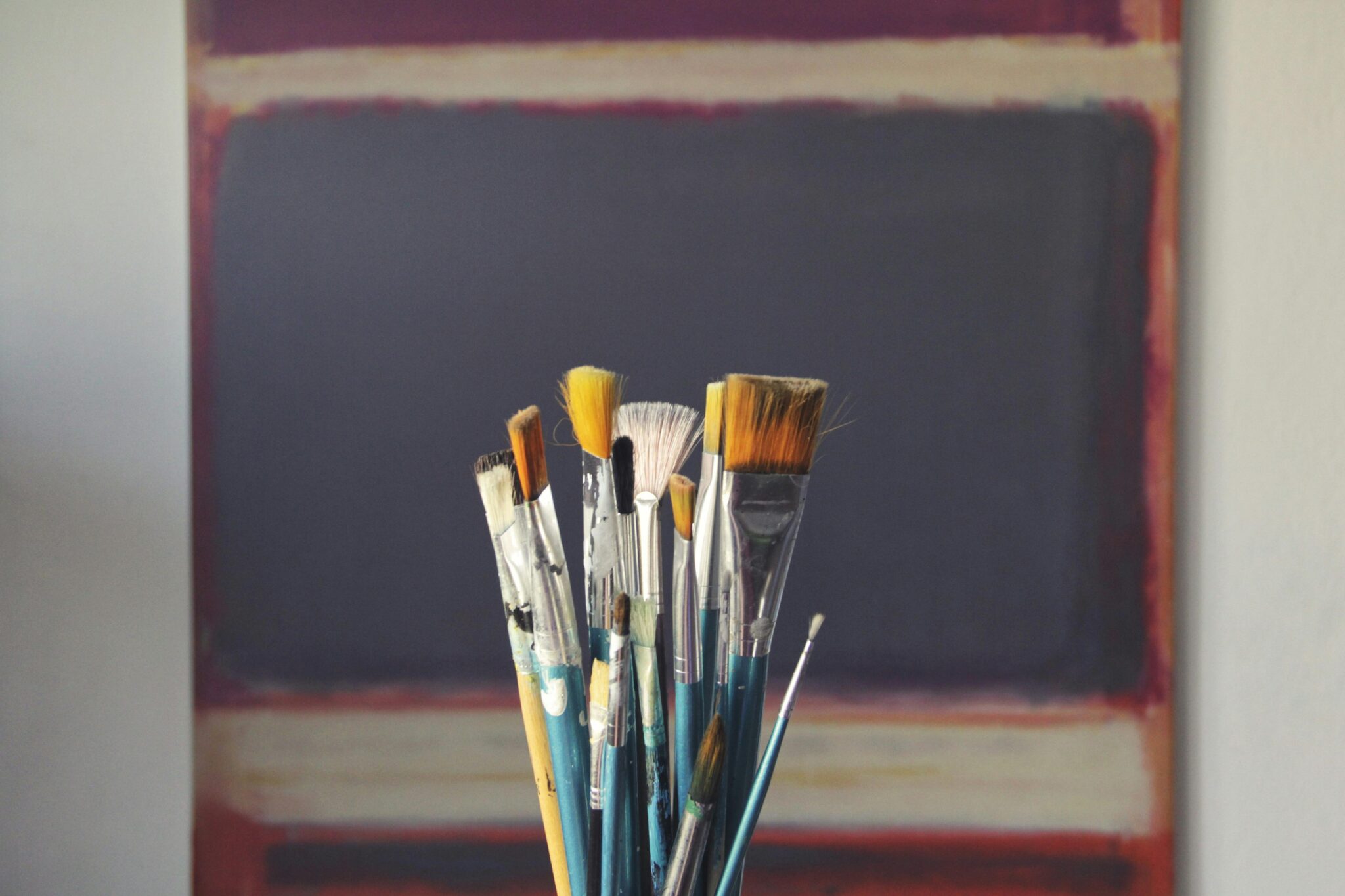
Even if you don’t want to completely change your medium, try mixing up your usual techniques. Use large brushes for broad strokes or delicate, fine brushes for intricate details. The challenge of creating with new materials will often spark new ideas and force you to think differently about your artistic expression.
4. Look to Art History and Masterpieces for Guidance
As a painter, it’s easy to feel like you need to invent something completely new. But sometimes, inspiration can come from the greats who came before you. One of the most beneficial things I’ve done is study classic paintings and works by artists I admire.
Art history is full of timeless techniques and compositions that are worth revisiting. I’ve found that analyzing the works of masters like Van Gogh, Monet, or Picasso not only teaches me technical skills but also inspires me to break rules and challenge my own approach. It doesn’t hurt to emulate certain elements from these iconic paintings or explore new interpretations of well-known works.
Don’t be afraid to “copy” at first. Replicating parts of a painting can give you valuable insight into techniques and color theory. Over time, you’ll develop your own unique approach and perhaps add something new to the world of art, just as the artists before us did.
5. Try Collaborative Projects or Join an Art Community
There’s something incredibly inspiring about being surrounded by other artists. I’ve found that collaboration is one of the most powerful ways to spark creativity. Whether it’s working on a joint project or simply sharing ideas with fellow painters, there’s a sense of accountability and excitement that pushes you forward.
Joining an art community—whether online or in person—can offer fresh perspectives and new challenges that reignite your passion. You can exchange ideas, critique each other’s work, and get inspired by the diverse approaches to art-making. For me, being part of an online painting group has been an invaluable source of inspiration and motivation.
If collaboration isn’t your thing, simply attending art shows or local exhibitions can help fuel your creative fire. Seeing other people’s work firsthand often provides a burst of fresh energy, sparking ideas that might not have occurred to you otherwise.
6. Travel and Find Inspiration in New Environments
Traveling is one of the most enriching ways to get inspired as an artist. Every new place I visit brings with it a different atmosphere, a fresh set of colors, and unique textures to observe and translate into my painting. It doesn’t matter if it’s a new country or just a different neighborhood in your town—new environments expose you to new perspectives.
When I travel, I always make sure to pack my sketchbook or camera so I can capture the things that catch my eye. These moments can later be turned into references for a painting, or simply be used to evoke feelings and emotions. I find that different cultural influences, architectural styles, and natural landscapes often give me new ideas for my painting projects.
If travel is not currently feasible, you can still look for inspiration in local areas you might not have explored before. You’d be surprised at what can spark your imagination when you step outside of your usual routine.
7. Reflect and Find Inspiration from Your Own Life
Sometimes, the most meaningful inspiration comes from within. When I’m struggling to find inspiration for my paintings, I often reflect on my own life experiences. Personal struggles, milestones, or emotions can serve as powerful catalysts for creative expression. Painting from the heart allows for vulnerability and authenticity to shine through in your work.
A good exercise I often do is to sit with a journal and write down my feelings, memories, and thoughts. After that, I use the words as a basis for a visual interpretation. The emotional energy behind the painting makes the process more fulfilling and allows me to connect deeply with the final result.
8. Take Breaks and Let Your Mind Wander
Sometimes, the best way to get inspired is to take a step back and give your brain some time to rest. If you’re feeling overwhelmed or frustrated, don’t hesitate to take a break. Do something entirely unrelated to art, like reading a book, cooking a new recipe, or simply taking a walk. Giving yourself permission to step away allows your mind to relax and recharge.
When you return to your painting, you may find that inspiration strikes without you actively looking for it. Inspiration often arises when you least expect it, and the pressure of forcing it can stifle creativity.
Conclusion: Inspiration Is Everywhere
As an artist, it’s easy to think that inspiration is something external—something we have to wait for. But the truth is, inspiration is everywhere. It’s in nature, in art history, in other people, and even in your own life. As a painter, the key is to remain open and curious, embracing the process of creating without the pressure of perfection.
Remember, getting inspired as an artist doesn’t mean waiting for the “perfect moment”—it’s about showing up, staying curious, and allowing your creativity to unfold. So, get out there, try something new, and let your art evolve. Happy painting!